













Introduction
Businesses are under increasing pressure to move faster, operate safely, and make better use of available space. Whether the setting is a warehouse, retail distribution centre, manufacturing site, hospitality venue, or back-of-house storage area, the way goods are handled each day has a direct impact on productivity.
For many businesses, improving efficiency does not always require large-scale automation or expensive system changes. In many cases, practical improvements to manual handling processes can deliver measurable gains. Choosing the right equipment, reviewing workflows, and reducing unnecessary double handling can help teams move stock more safely and consistently.
Why Goods Movement Matters in Modern Business Operations
In busy commercial environments, small handling delays can quickly build up. Staff may spend extra time moving stock between storage areas, picking zones, loading docks, production areas, or customer-facing spaces. When the wrong equipment is used, businesses can also face higher risks of product damage, staff fatigue, congestion, and inefficient use of labour.
This is especially relevant for businesses operating in sectors such as retail, logistics, manufacturing, hospitality, healthcare, and facilities management. These industries often rely on fast stock movement while also needing to maintain safety, cleanliness, and order across shared workspaces.
Improving goods handling is not simply an operational issue. It can influence staff morale, customer service, order fulfilment, workplace safety, and overall business performance.
The Role of Practical Handling Equipment
One of the most effective ways to improve movement across a workplace is to match the handling equipment to the task. For example, lightweight platform trolleys may be suitable for smaller loads, while heavier stock movement may require more robust transport solutions.
In storage, logistics, and order-picking environments, a roll cage trolley can be particularly useful for moving bulk goods, cartons, packaged stock, and supplies between different areas of a business. Because these units are designed to contain products while in transit, they can help reduce the need for repeated manual carrying and make stock movement more organised.
For businesses managing high volumes of goods, equipment like this can support a more structured approach to internal transport. It can also help staff move multiple items in a single trip, improving productivity while reducing unnecessary handling.
Reducing Manual Handling Risks
Workplace safety remains a key consideration for any busy commercial environment. Manual lifting, carrying, pushing, and pulling can create strain when tasks are repeated frequently or when loads are awkward to move.
While training and safe work procedures are important, the right equipment can make a major difference. Trolleys, cages, dollies, and other handling products help workers move goods with less physical effort. They can also support safer workflows by keeping loads contained, reducing loose items, and making transport paths more predictable.
Businesses should consider the type of goods being moved, load weight, floor conditions, access points, turning space, and storage requirements before selecting equipment. A good handling solution should fit the environment rather than create new obstacles.
Making Better Use of Space
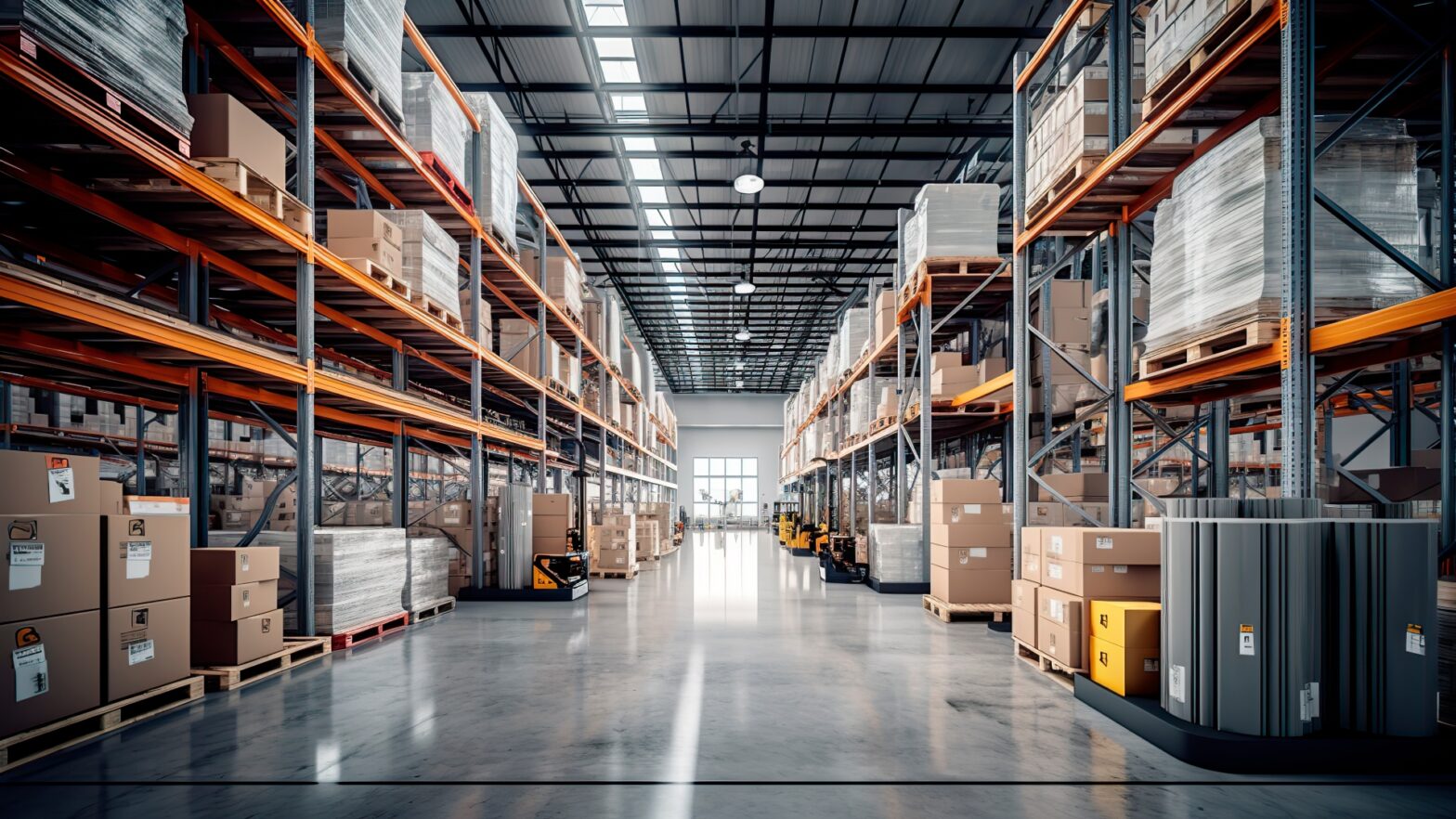
Space is one of the most valuable resources in any commercial operation. Warehouses, stockrooms, kitchens, workshops, and retail back rooms all need clear access and efficient storage layouts.
When stock is moved using unsuitable equipment, aisles can become blocked, goods may be left in temporary locations, and teams can lose time searching for products. Handling equipment that allows goods to be grouped, transported, and stored neatly can help businesses maintain a cleaner and more efficient workplace.
This is especially important for growing businesses that may not have the budget or space to expand their premises. Improving how goods are moved and stored can help maximise the capacity of existing facilities.
Supporting Business Growth Through Operational Improvements
As businesses scale, operational systems need to grow with them. A small business may initially manage with basic manual handling, but increased order volumes, larger stock holdings, and more complex workflows often require better equipment and processes.
Investing in practical goods handling solutions can help businesses prepare for growth without overcomplicating daily operations. The right equipment can support faster stock movement, clearer workflows, improved safety, and better use of staff time.
These improvements may seem simple, but they can have a meaningful impact across the business. When teams can move goods efficiently, they can focus more attention on customer service, order accuracy, production output, and overall performance.
Final Thoughts
Operational efficiency is often built through practical, everyday improvements. Smarter goods handling is one area where companies can make changes that support productivity, safety, and long-term growth.
By reviewing how stock and equipment move through the workplace, businesses can identify bottlenecks and choose handling solutions that make daily tasks easier. Whether in logistics, retail, hospitality, manufacturing, or facilities management, the right equipment can help create a safer and more efficient working environment.