








Introduction
Across the Asia–Pacific region, the luxury property sector continues to expand, fuelled by rising affluence and demand for premium design. Yet behind the polished marble, bespoke cabinetry, and imported timbers lies an invisible operational risk: water damage.
For developers, asset managers, and restoration specialists, this is more than a maintenance issue, it’s a matter of asset protection, brand reputation, and long-term sustainability. The ability to preserve architectural integrity after exposure to water is rapidly becoming a defining benchmark of quality in the modern property landscape.
1. The Fragility of Premium Materials
High-end properties are built with precision and artistry, but their very materials make them vulnerable. Fine timbers, natural stone, silk textiles, and engineered surfaces can absorb moisture long before any visible signs appear.
A small leak or burst pipe can set off a chain reaction of deterioration, swelling, delamination, and mould formation, compromising not just the appearance, but also the structural and financial value of the property.
For developers, every instance of water intrusion represents not only repair costs but also the potential depreciation of a premium asset. Protecting these materials from the outset is a strategic business decision, not a reactive expense.
2. Restoration as a Technical Discipline
Modern restoration is no longer a reactive service, it’s a science-led business function.
Certified professionals at Reztor Restoration employ internationally recognised AS-IICRC S500 standards to assess, plan, and remediate damage while preserving the design intent of the property.
Through advanced techniques such as moisture mapping, controlled drying, and thermal imaging, restorers achieve material equilibrium with minimal disruption. This precision-driven process reduces secondary damage and shortens downtime, key advantages for property owners, developers, and insurers seeking cost efficiency without compromising quality.
3. Mould: The Invisible Liability
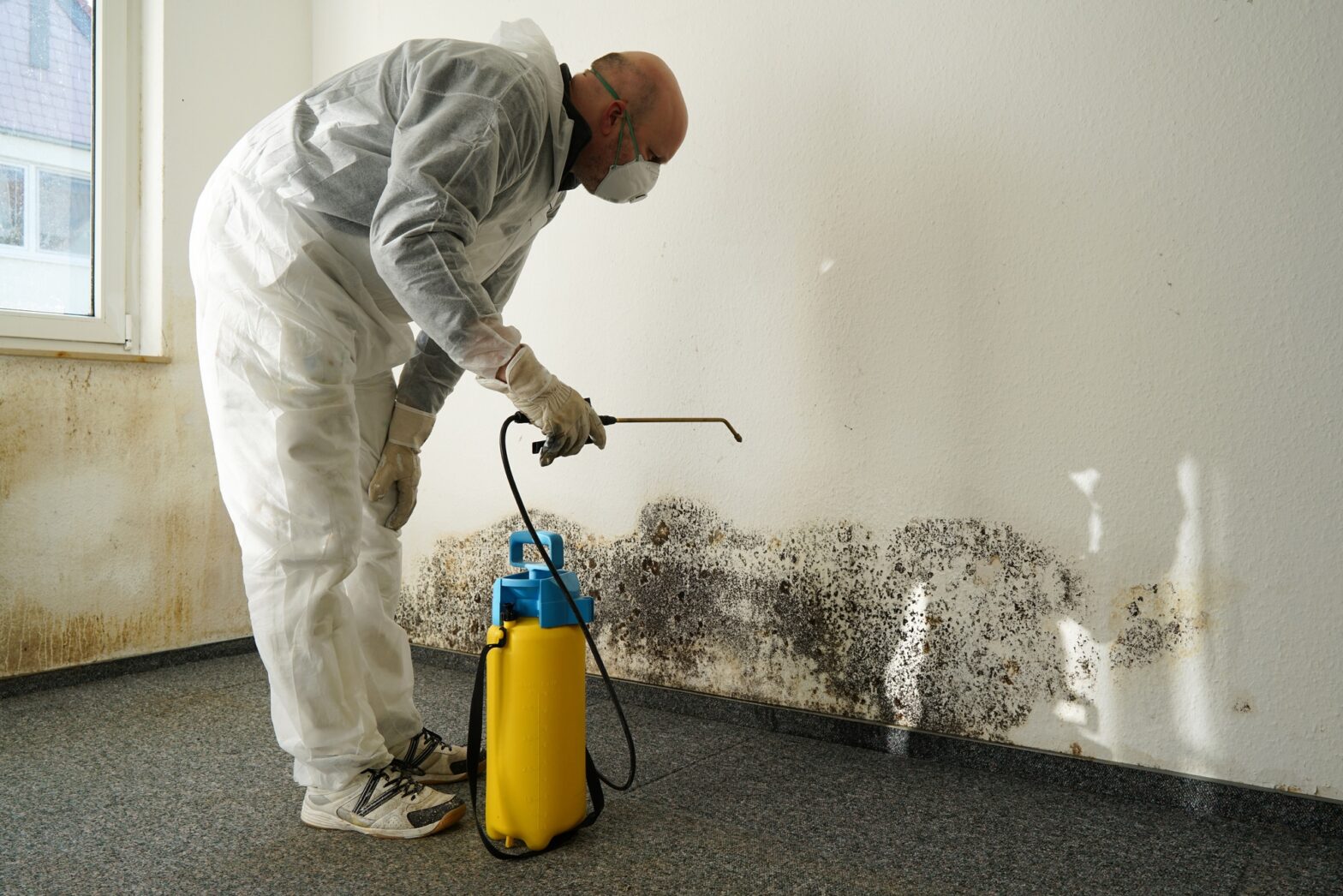
In high-value real estate, mould contamination is both an environmental and commercial liability.
Beyond health concerns, it damages finishes, diminishes property presentation, and can erode consumer confidence in luxury developments. Once spores take hold in porous materials, containment and removal require specialist expertise.
For estate managers and developers, early intervention protects more than aesthetics, it preserves brand integrity and safeguards ongoing revenue from rentals or resales.
4. Sustainability and the Economics of Longevity
In an era of ESG accountability, preservation has become the ultimate expression of sustainability. Preventing loss through professional restoration avoids unnecessary demolition and waste, aligning with corporate sustainability goals and reducing embodied carbon.
Industry suppliers such as Restoration Warehouse now provide cutting-edge drying systems, antimicrobial treatments, and HEPA filtration technology, enabling restorers to achieve efficient, environmentally responsible outcomes. This synergy between innovation and sustainability ensures that luxury properties retain their original craftsmanship while meeting modern environmental standards.
5. Building for Resilience: The Next Frontier in Property Design
Forward-thinking architects and builders across the APAC region are now integrating restoration-aware design into high-end projects. From concealed drainage and humidity sensors to automated ventilation systems, proactive design is replacing reactive repair.
For businesses, this represents a strategic shift, one where property resilience becomes a measurable asset. The next generation of luxury homes will be defined not just by design excellence, but by intelligent systems that self-monitor, self-dry, and self-preserve.
Conclusion
Luxury, at its core, is about preservation, of value, design, and legacy. In today’s competitive property market, the ability to protect what has been so carefully created is a defining strength.
By combining technical restoration expertise with sustainable innovation, businesses can ensure that even after damage, the integrity of a property — and the reputation behind it, endures. Water may be the hidden threat, but knowledge, preparation, and precision remain the most powerful defences against it.
About the Author
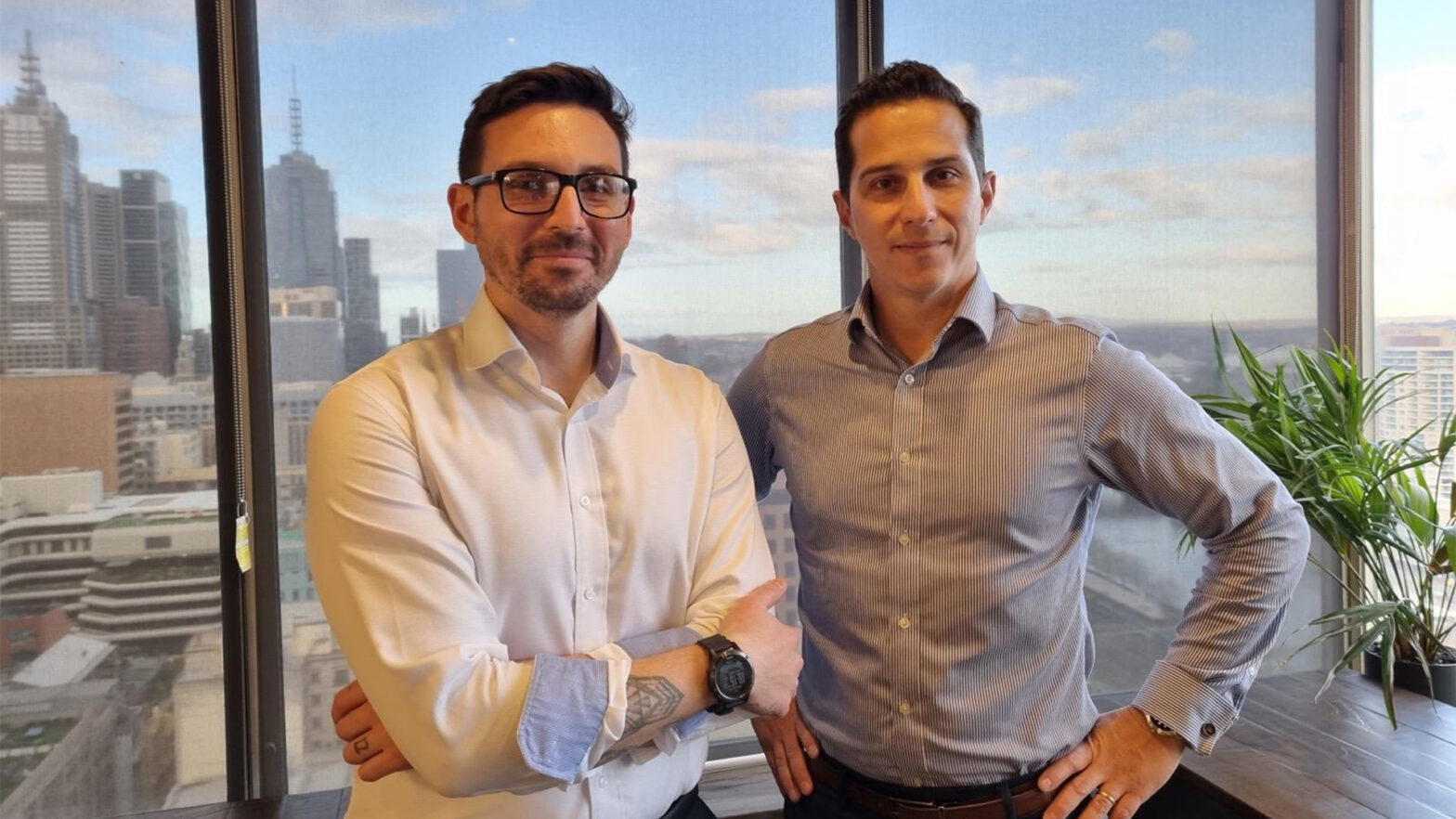
Matthew Brunes is a Triple Master IICRC-Certified Restorer and co-founder of Reztor Restoration, Australia’s leading authority in water damage and mould remediation for high-end residential and commercial properties. He also partners with Restoration Warehouse, Australia’s trusted supplier of professional restoration and cleaning equipment.