









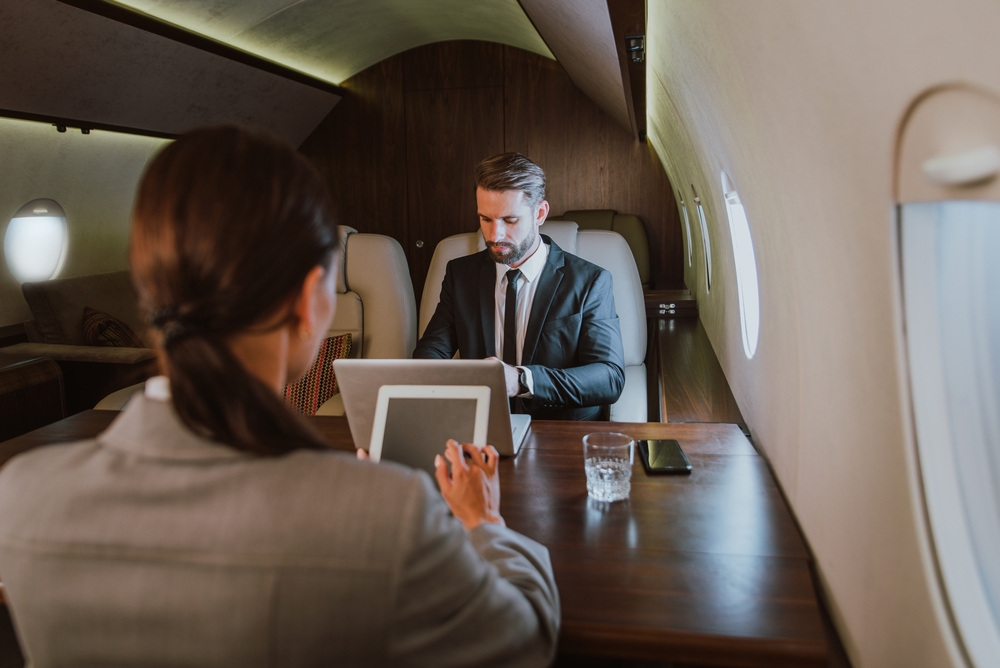
For senior executives across Australia and the wider APAC region, time in transit often provides one of the few uninterrupted windows for focused thinking. Removed from daily operational demands, flights can support strategic planning, complex decision-making and high-value tasks that are difficult to complete in a standard office setting. This is particularly relevant given the length of domestic and regional flights across Australia, where travel time can extend for several hours. The difference comes down to how that time is structured and used in practice.
Define a Single Priority Before Takeoff
Deep work begins before boarding. Without a clear objective, it becomes easy to default to lower-value activities such as emails or general document review.
A single, clearly defined outcome is usually more effective than a long task list. This might involve reviewing a strategy paper, preparing for a leadership discussion or outlining a new initiative. With a specific goal in place, attention is easier to maintain, particularly once the flight is underway and options for switching tasks are limited.
Prepare Offline Access to Essential Materials
Reliable access to documents is critical, particularly given that in-flight connectivity can be inconsistent. Relying on access mid-flight often introduces delays and breaks in concentration.
All required files should be downloaded in advance, including reports, presentations and supporting material, and stored in one location. In practice, this allows work to begin immediately and continue without interruption, rather than losing time navigating between platforms or waiting for files to load.
Minimise Digital Interruptions
Even when connectivity is available, notifications can quickly disrupt concentration. A controlled digital setup helps maintain momentum during focused work periods.
Before departure, it is worth disabling non-essential alerts, closing background applications and setting expectations around availability where required. With fewer interruptions, longer periods of sustained attention become possible, which is essential for strategic work.
Set Up a Consistent In-Flight Workspace
Over longer flights, workspace setup becomes more important. Small adjustments to how devices and materials are arranged can have a noticeable impact on both comfort and efficiency.
Keeping essential items within easy reach reduces unnecessary movement, while a clear workspace helps limit distraction. Noise-cancelling headphones are often a practical addition, helping to reduce cabin noise and create a more controlled working environment.
Using a consistent setup across flights also reduces decision-making. Over time, it becomes a familiar starting point for focused work rather than something that needs to be reconfigured each trip.
Control Light and Sound Where Possible
Cabin conditions are not fully adjustable, but key elements can still be managed to support concentration.
Light levels can be controlled through window shades, while headphones help reduce background noise or introduce consistent audio. Seat choice may also influence the level of disruption, particularly on longer routes where foot traffic and service activity vary.
Managing these factors does not eliminate distractions, but it can significantly reduce their impact over several hours.
Work in Structured Time Blocks
Long flights can create the impression of unlimited time, which often leads to reduced output. Structuring the journey into defined work periods helps maintain consistency and avoid drift.
On a typical three to five-hour domestic flight, this might involve dedicating the first part of the journey to strategic review, followed by a shorter session to refine decisions or document outcomes before landing. Breaking the time into segments makes it easier to stay focused and ensures progress is made against the original objective.
Use Flight Time for High-Value Thinking
In-flight work is most effective when reserved for tasks that require sustained attention. Strategic planning, problem-solving and long-term decision-making benefit from reduced interruptions and distance from day-to-day operations.
In practice, this is often where more considered decisions are made. Without immediate input from teams or ongoing requests, there is space to test assumptions, review priorities and think through implications more carefully. This often includes preparing for board discussions, reviewing business performance or planning upcoming initiatives.
Build a Repeatable System for In-Flight Productivity
Consistency improves results over time. A repeatable approach reduces setup time and allows more focus to be directed toward meaningful work rather than preparation.
For many executives, this means following the same process before each flight, from preparing materials to setting a clear objective and reviewing outcomes at the end of the journey. Over time, travel becomes less of a disruption and more of a structured opportunity to complete work that would otherwise be delayed.
In situations where control over time and environment becomes a priority, some professionals may choose to book private jet services to further reduce interruptions and align travel schedules more closely with work requirements. While not necessary in most cases, it reflects the broader point that the environment plays a direct role in output.
The Takeaway
In-flight time is often one of the few controlled periods in an executive’s schedule. Used deliberately, it can become a consistent space for strategic thinking and decision-making. By setting clear priorities, reducing distractions and structuring both the physical and digital environment, executives can make better use of time in transit and improve the quality of their output.