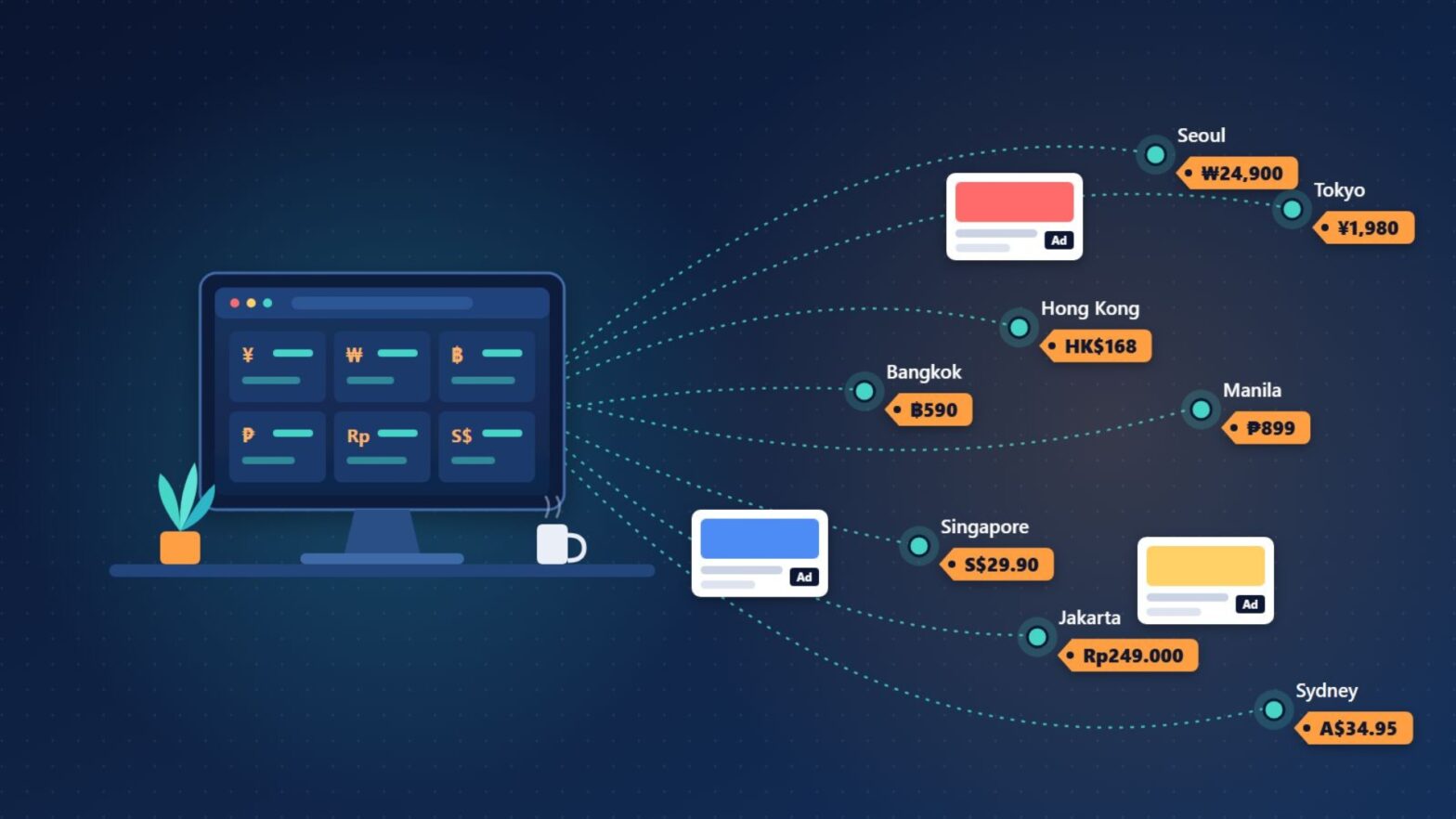


















A residential proxy sends your request through a real household device, so the traffic looks like it comes from an ordinary visitor. Mobile proxies do the same through phones on cellular networks. The ethical question is whether the device owner knowingly agreed.
In a clean pool, owners join through an app or SDK that explains bandwidth sharing plainly, get something back, such as cash or an ad-free app, and can opt out at any time. Dirty pools recruit devices through malware, cracked software, or cheap TV boxes shipped with proxy code preinstalled.
Outside reviews help tell the two apart. The Ethical Web Data Collection Initiative (EWDCI) assesses members on four pillars, sourcing among them, and AppEsteem certifies the SDKs some providers rely on.
How to Choose a Provider
Start with one question for sales: how exactly do you recruit residential IPs? A solid answer names a mechanism, such as an in-house app or vetted SDK partners. A vague “100% ethical” claim tells you very little.
Then run a few checks:
- Pool ownership: Some brands resell another company’s network under their own name, so you inherit its sourcing without knowing it.
- Outside proof: An EWDCI seal or AppEsteem certification means someone outside the company has checked the sourcing.
- Customer vetting: KYC checks and a clear acceptable use policy keep abusers out and the IPs off blocklists.
- Workload fit: Look at IP counts in your target countries, city, or ASN targeting and whether purchased traffic expires at month-end.
A small paid test on your real targets tells you more than any spec sheet.

10 Providers Worth Shortlisting
Each company below explains its sourcing, and pool sizes are self-reported.
1. DataImpulse
Every residential IP in the DataImpulse pool belongs to someone who opted in through a transparent SDK, gets paid for sharing idle bandwidth, and can leave at any time. That first-party pool holds more than 90 million IPs across 195 countries, with no third-party resellers mixed in. Certifications include EWDCI and ISO 27001, and mobile and data centre proxies are sold alongside residential ones. The provider’s pay-as-you-go pricing allows users to only pay for the traffic they actually use.
2. Bright Data
Bright Data advertises 400M+ residential IPs a month across 195 countries. Participants join through apps built with the Bright SDK, are told how their IP will be used, and get rewarded for taking part. Scraping APIs sit on top of the network.
3. Oxylabs
Oxylabs introduced its own grading system for proxy sourcing in 2020. Tier A means the device owner gave informed consent, and Tier A+ adds payment. Most of its 175M+ residential pool is Tier A+, with the rest coming from Tier A partners and ISPs.
4. Decodo
Formerly Smartproxy, Decodo lists 115M+ residential IPs in 195+ locations, recruited through what it calls transparent opt-in programs. Its proxies hold ISO/IEC 27001:2022 certification, a handy credential when a client’s security team asks questions.
5. SOAX
SOAX sources residential and mobile IPs only with full user consent. Its 12M+ whitelisted residential addresses can be filtered by country, region, city, and ISP, which helps with geo-specific price or ad checks.
6. IPRoyal
IPRoyal sources residential IPs through its own SDK and Pawns.app, an earning app that pays users for each gigabyte they choose to share. The provider now advertises 64M+ residential IPs across 195+ countries.
7. Rayobyte
Rayobyte, based in Lincoln, Nebraska, owns its network and draws residential IPs from 50M+ opted-in devices a month in 190+ countries. Sharing starts only after the owner accepts a consent screen, and the company holds EWDCI certification. Bank, government, and login pages are blocked for every customer.
8. Massive
Massive entered the proxy market in 2024 with a narrow pitch: every residential IP comes through an AppEsteem-certified SDK that requires explicit opt-in. Its pool is much smaller than those of the market leaders, so it fits focused projects best.
9. Byteful
Byteful, the UK company formerly called Ping Proxies, earned the EWDCI Trust Seal in 2026 after an independent review. Its residential and mobile IPs come from verified SDK partners and earning apps, and customer traffic is monitored around the clock.
10. Infatica
Infatica calls its residential network 100 percent ethically sourced, with users lending their IPs voluntarily in exchange for rewards. The pool is listed at 45M+ IPs, clients go through a KYC compliance process, and ISO 27001 is among the company’s certifications.
One Last Check
The 2026 takedown of the NetNut network showed how far a sourcing problem can travel. Google analysts concluded with high confidence that many popular residential proxy brands were white-labelling the NetNut botnet, so some customers may never have known whose devices carried their traffic.
Ask each shortlisted provider where its IPs come from and keep the written answer on file. That proof is far easier to collect before you buy than after a takedown.