
















Imagine a Perth-based manufacturer dealing with regular requests for services from New Zealand. However, what the company lacks is any legally acceptable way to hire someone locally to cover them, as well as an understanding of how they will ever see that income.
That’s the template behind most “should we expand overseas” discussion threads. People talk a lot about market opportunities. But hardly anyone mentions workforce and finance requirements, which have to be figured out before any overseas hires start – how exactly that employee would be legally hired and then accounted for in your finance system.
Why You Shouldn’t Establish a Local Entity First
Setting up a local entity in a foreign country may sound like a natural first step. But in reality, establishing your own company is not something that should be done immediately when considering expanding overseas.
Company establishment is a lengthy process involving registration, licensing, opening a local bank account, compliance reports and other procedures that take anywhere from several weeks to several months, not to mention additional time required to register your payroll. For a company looking at whether there’s a real opportunity to set up a foothold in a market, that process is reversed, and you’re already committed to all those expenses and overheads by the time you find that out.
However, even though not setting up an entity, you might still be required to file taxes or some sort of annual report due to your employees’ activities, thus triggering registration requirements even without having your own legal entity in place. The key here is “we can save time and money without having to establish an entity,” not “you don’t need to do anything”.
Setting Up the Workforce Side First
Here is when an employer of record comes in handy. Employer of Record acts as a legal employer for your future hire in his country, takes care of hiring paperwork and pays him according to the terms you provide, while allowing you to manage him directly. No need for any local entity, bank account or a few-months-long incorporation period before being able to hire.
While it’s not a completely free solution, it is significantly less expensive than running your own entity when your headcount is low. Eventually, however, as your headcount increases in that country, the cost of your own entity starts to become cheaper per employee than continuous EOR fees. Knowing when exactly you’d reach that point is helpful in advance, thus making it possible to estimate the situation better.
The Finance System Part You Don’t Consider Until Too Late
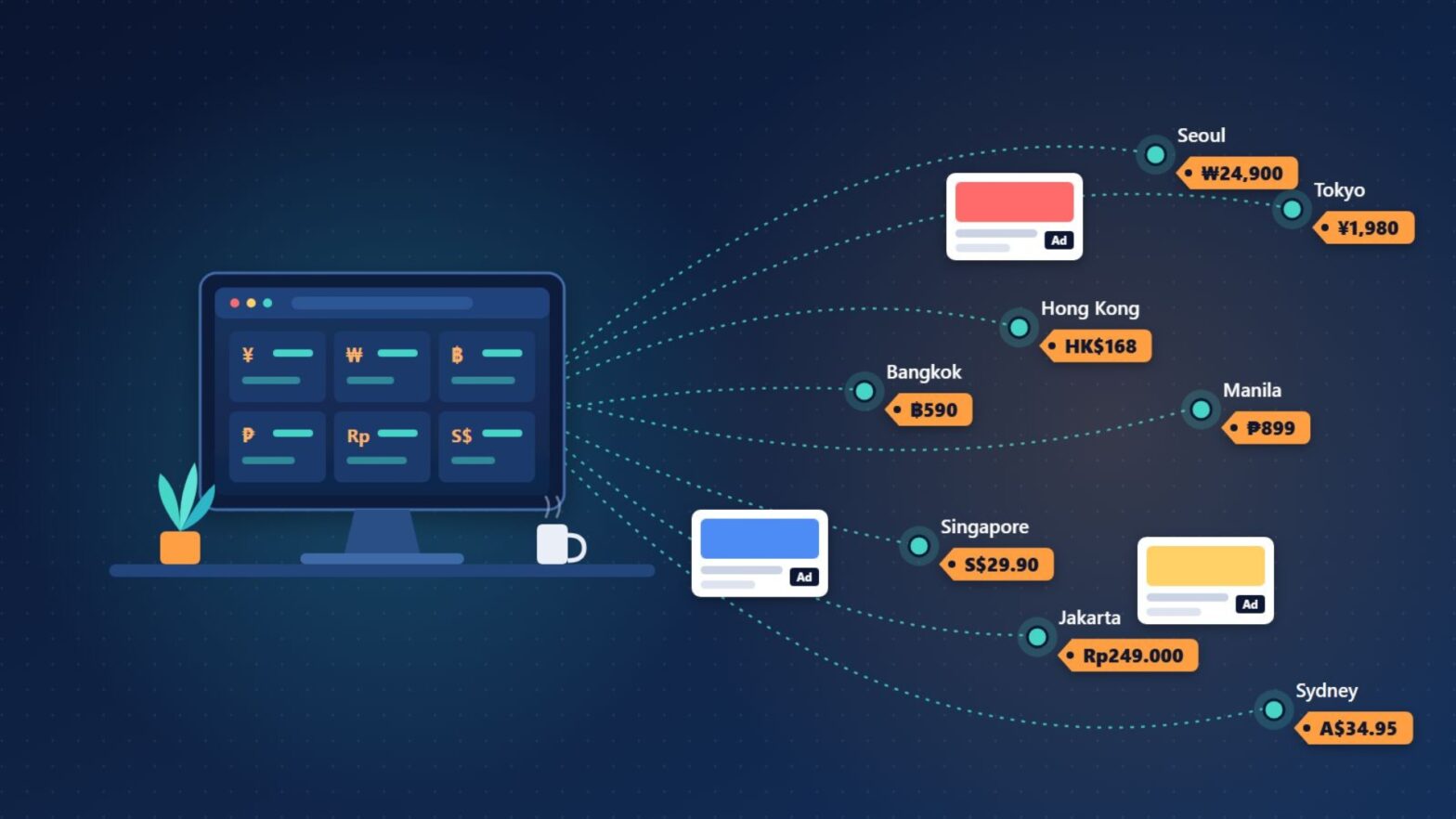
And here comes the thing that makes life difficult for the manufacturers in particular. You set up the EOR to hire people overseas and get your workforce issues sorted. And then the finance department starts to review your finance statements at the end of the month and finds out that the ERP system they use is not capable of processing multi-entity and multi-currency statements.
We’ve seen many cases of the finance department spending days and even weeks trying to create a consolidated statement in Excel, while working with experienced MYOB consultants to implement a multi-entity and multi-currency ERP system like MYOB Acumatica allows handling all consolidation needs, intercompany elimination, and currency conversion as a standard month-end routine.
That is exactly what people often forget to consider because it doesn’t become apparent until it’s too late. You solve the workforce issue in your HR or operations department, then find out about the finance system limitation three months later in another department, and most probably at the worst possible moment.
Putting Workforce and Finance Systems in Order
Order does matter more than people think. Figure out the workforce strategy first, hire with the help of an EOR or establish your entity later, or go straight to entity establishment if you have enough headcount, but make sure that your finance system can properly consolidate statements from multiple entities in multiple currencies before your first invoice arrives.
If your current system can already handle such tasks, EOR hiring approach helps you get your hires in place within weeks instead of months. If it can’t, it’s best to fix it before expansion rather than while doing it.