













For most Australian contractors and project owners, hiring equipment is the sensible default. It keeps capital free, avoids depreciation and storage costs, and lets a business scale up for a job and scale down when it ends. On paper, the risk moves to the hire company.
That logic holds while hire stock is plentiful. It weakens when many projects need the same machines in the same months, because the risk does not leave. It changes form, from a balance sheet exposure to an availability exposure, and boards rarely see it listed anywhere. Some firms now treat access as something to manage directly, for example by sourcing through marketplaces such as Quotor that list stock from many independent hire companies instead of relying on one supplier’s yard.
Why hiring looks safer than it is
Owned plant shows up in the accounts as an asset, a depreciation charge and a maintenance line. Everyone can see it, so everyone discusses it. Hired plant shows up as an operating cost on the days it is used, and its risks are harder to spot. If a hire company cannot supply an excavator in the week a crew needs it, nothing appears in the accounts that week. The cost arrives later as a pushed start date, a crew on standby or a subcontractor claiming delay.
Those costs sit in the project programme rather than the equipment budget, so they are rarely traced back to the decision to hire. A firm can run lean on owned assets and still carry a large, unpriced dependency on what the market has available on a given Monday.
The pool is shared
Hire fleets are finite, and demand on them is correlated. Infrastructure Australia’s 2025 market capacity report found that the five-year public infrastructure pipeline grew by $29 billion in a year to reach $242 billion, its highest level since the agency began tracking it. The report covers public projects only. Private energy and housing work draws on the same machines on top of that.
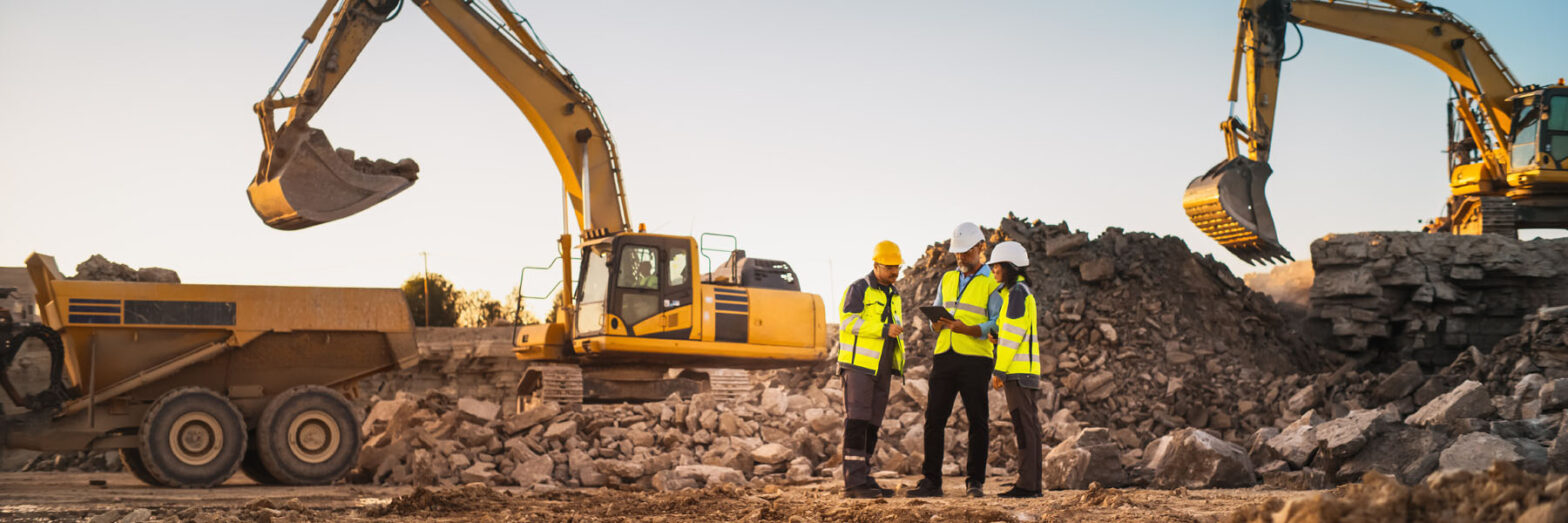
Excavators, loaders, dozers and graders are needed on road upgrades, energy projects, housing subdivisions and data centre site works. These sectors do not take turns. When several peak together, they all go to the same hire companies, and a business with no owned fleet to fall back on joins the queue at the same time as everyone else.
Where the cost shows up
A hire shortage rarely appears as a higher invoice alone. It appears in sequencing. A crew waits for a machine, a trench stays open longer, a handover slips, a delay clause starts to matter. Because the equipment line looked small next to the contract value, nobody modelled how a short delay compounds.
Asset-light firms are also the least able to absorb it. A contractor with owned plant can redeploy a machine from a quieter site. A firm that hires everything has to wait for the market to supply it, on the market’s timing and at the market’s price.
Questions worth asking before the next tender
Boards do not need to change their hiring policy to manage this. A few questions are enough to make the exposure visible:
- Which machines does each major project depend on, and in which weeks?
- How many independent suppliers could realistically cover each critical machine type in our region, and what is the fallback if the first choice falls through?
- What would a two-week delay on that machine cost the project, and is that figure in the risk register?
Keep hiring, but price availability
Hiring remains the right default for most non-core equipment. Owning a machine that sits idle for part of the year is its own kind of waste, and no contractor should buy plant to hedge a risk that a better sourcing process could manage.
The point is narrower. Equipment availability belongs in the risk register next to price, because the same boom that fills project pipelines also fills hire yards. A business that can see that dependency can plan for it. One that treats hire as risk-free finds out in the programme.