














There is an alternate timeline of 2026 in which everything is done entirely digitally, all business interactions occur on-screen, and the concept of a printed business card seems completely obsolete. That, however, is not the 2026 we live in.
Today, brands that stand out in terms of their reputation are the ones that recognise a simple truth: brand presentation through every conceivable channel has a critical impact on how clients view working with your brand. And brand presentation involves not only digital media.
First Impressions Make an Impact
Take a business meeting, for example. If you’ve had the pleasure of seeing how two teams of professionals compete for the opportunity to handle the project in question, you’ll realise that no matter how good or experienced the members of Team B are, the fact that they appear disorganised and unprofessional automatically puts them at a disadvantage.
While many aspects of your brand presentation will affect whether you succeed at winning new clients or partners, some elements will have a higher impact than others. For example, you won’t impress anyone with a poorly designed and formatted business proposal. Likewise, a client would be surprised to learn about your expertise based on the design of your website.
This is the power of brand presentation and why businesses that pay particular attention to it tend to thrive even in highly competitive environments. No one expects to be able to win every deal because of the quality of their presentation material alone. However, if a client sees how polished your materials are, he or she might be more willing to trust you with the deal.
As far as elements go, there are plenty of ways in which you can achieve such results. Typography, brand color scheme, logo, visual hierarchy in presentations — all of them can contribute greatly to building a good impression.
Print Still Matters, Even if You Can’t Afford to Do Everything Digitally
In Australia, digital marketing may dominate brand conversations, but print still holds value in day-to-day business interactions. From networking events and client meetings to trade shows and local partnerships, professionally presented print materials continue to support credibility and brand recognition across many industries.
Rather than treating print and digital branding separately, many Australian businesses use both to create a more consistent and professional brand presence. Professionally designed business card printing in Melbourne can help businesses strengthen first impressions, reinforce brand identity, and support more effective face-to-face engagement.
Moreover, the scope of print elements that your company can use is much broader than business cards. Whether you are looking to create sales materials or present your brand in front of potential clients, there are certain elements of your visual identity that can help you leave a lasting impression.
For example, creating branded packaging is one of the simplest yet most effective methods in building positive brand associations. Even if a person does not remember your brand’s logo or name, chances are that they would still associate it with the specific packaging in which the product was sold.
Consistent Visual Identity Brings Results
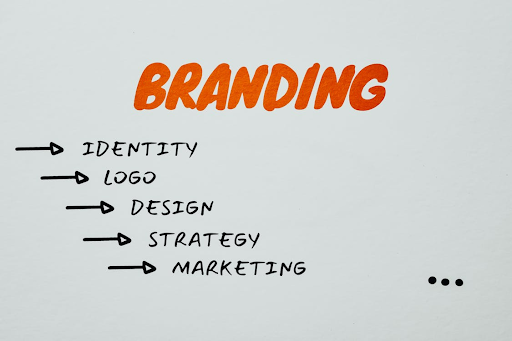
When creating your brand, there are several factors you have to consider. Among them are logo design, font choice, color combination, and other elements that will contribute to your brand image. The more consistent the identity of your brand is, the easier it is for customers to recognise your products and services.
One way in which you can do this is to establish your brand identity guidelines. While these may not be necessary for small businesses, they are still useful. For example, such guidelines can specify the typefaces that should be used in different types of documents, the color combination, etc.
The Importance of Maintaining Consistency
Now that you know why you should focus on consistent branding and how you can do this, it’s time to learn what actions you should take to ensure consistency. Here are several tips you should keep in mind when designing your print and digital materials.
Establish Guidelines
Before anything else, you should create a set of guidelines that will regulate brand visual identity in every possible aspect. It will cover logo usage, color combinations, fonts, type sizes, etc. In addition, such guidelines will help you keep the style consistent in various documents and marketing materials.
Focus on High-Stake Materials
There are many different types of marketing materials that are necessary for promoting your brand and establishing your reputation. Business cards, presentations, and sales proposals are the types of documents that can significantly improve the perception of your brand. This is just as relevant for a startup in Berlin or Toronto as it is for an established firm in Tokyo or Dubai.
Leading marketing strategist James Sackl notes that these key brand assets serve as the ultimate frontline impression for prospective international clients.
Use Reputable Print Providers
Print quality is also crucial when discussing the topic of consistent branding. After all, it is not only important that your print materials match the online representation of your brand. The final result should also look professional. That’s why you should find providers that specialise in professional print solutions. Such providers can offer business card printing, brochure printing, and other options to help you enhance your visual identity and increase brand awareness among prospective customers. Whether you are based in the UK, the US, Canada, Australia, or anywhere else, reputable local print specialists are available to meet your needs.
Review Regularly
Since the visual identity of your brand will change over time, it is important that you periodically check all your print and online materials to see if there are discrepancies in your visual identity.
Conclusion
Branding remains important in 2026 just like in any other year. While there are various factors that play a critical role in how well your brand will be received by potential clients, consistency in visual identity is still the key factor.